

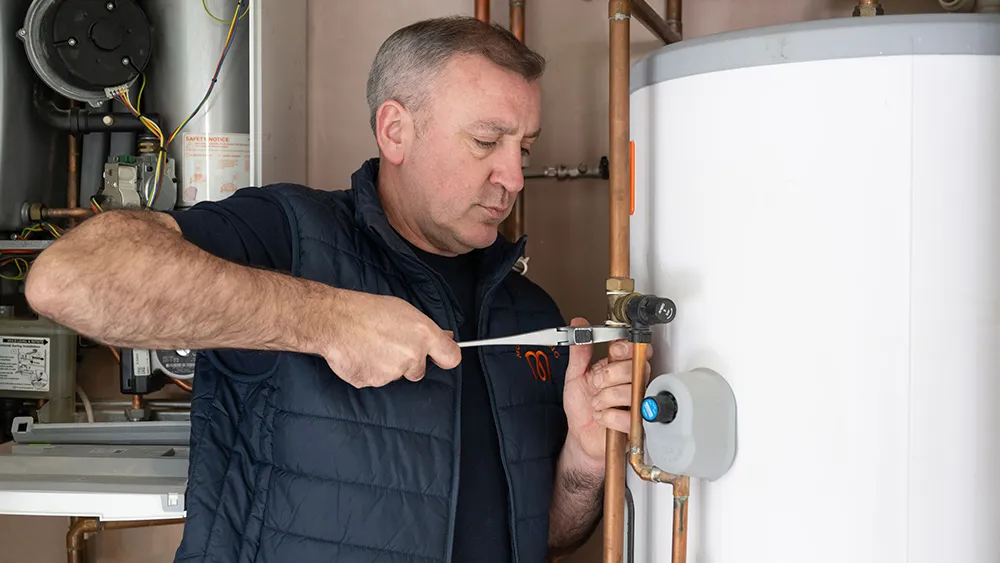
When your home is not heating properly, the natural assumption is that the boiler is at fault. But in many cases, the boiler itself is working fine. The problem lies in the system around it.
Poor circulation, sludge in the pipework, outdated controls and unbalanced radiators can all prevent your heating from performing as it should. Understanding where the real issue lies can save you the cost of an unnecessary boiler replacement and help you find a solution that actually works.
Key Takeaways
- Poor heating performance is not always caused by the boiler
- Sludge and blockages are among the most common system issues
- Radiator balance and sizing have a significant impact on performance
- Outdated controls and thermostats limit efficiency
- Heating system upgrades can often fix problems without a full replacement
Sludge Build-Up in the System
Over time, rust, debris and sludge collect inside your heating system’s pipework and radiators. This is one of the most common causes of poor heating performance and is highlighted by the Energy Saving Trust as a key factor in reduced system efficiency.
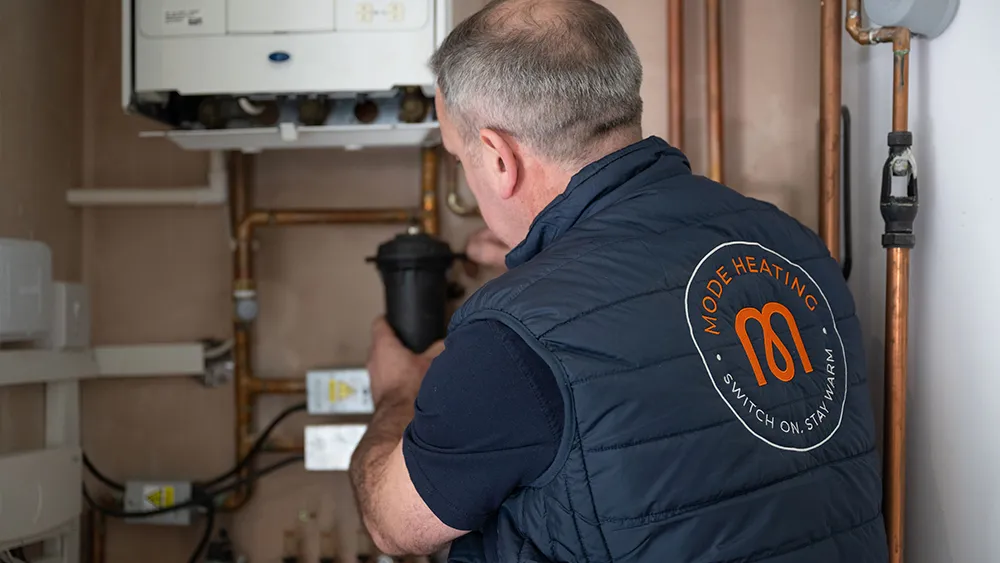
The build-up restricts the flow of hot water through the system, meaning radiators take longer to heat up, develop cold spots, or fail to reach full temperature altogether.
Signs of sludge build-up include:
- Cold spots on radiators, particularly at the bottom
- Radiators that are slow to heat up
- Dirty or discoloured water when you bleed a radiator
- Boiler making banging or kettling noises
A power flush can remove this build-up and restore proper circulation. This is often recommended alongside a new boiler installation to protect the new unit from contamination.
Poor Circulation
Even without sludge, poor circulation can cause uneven heating throughout your home. If hot water is not moving effectively through the system, some radiators will heat up while others remain cold.
Common causes of poor circulation include:
- Partially blocked or corroded pipework
- A failing or undersized circulation pump
- Air trapped in the system preventing water flow
- Pipework that has been installed with incorrect sizing
If you are noticing some rooms heating well while others stay cold, circulation is often the issue rather than the boiler itself. A qualified engineer can diagnose the cause and recommend the right fix.
Radiators Not Sized or Positioned Correctly
The radiators in your home need to be correctly sized for the rooms they are heating. A radiator that is too small for the space will never heat the room properly, no matter how well the boiler is performing.
You may notice:
- Certain rooms that always feel colder than others
- Radiators that seem to be working but the room still does not warm up
- Inconsistent temperatures across different parts of the house
Upgrading to correctly sized radiators or adding additional radiators in problem rooms can make a significant difference. This is one of the most effective heating system upgrades you can make.
Outdated Heating Controls
Older thermostats and heating controls can seriously limit how efficiently your system runs. If your controls are basic or outdated, you may be heating your home when you do not need to, or unable to control temperatures in individual rooms.
Modern controls and smart thermostats allow:
- Remote control of your heating from your phone
- Room-by-room temperature scheduling
- Learning your routine and adjusting automatically
- Better visibility of energy usage
Which? highlights that upgrading controls is one of the simplest ways to improve heating efficiency without touching the boiler itself.
System Not Balanced
Balancing a heating system ensures each radiator receives the correct flow of hot water. If the system is not balanced, some radiators will get too much flow and overheat, while others will not get enough and remain cold.
Signs your system needs balancing:
- Some radiators are very hot while others are barely warm
- Radiators closest to the boiler heat up quickly but those further away do not
- You are constantly adjusting individual radiators to try and even things out
Balancing is a relatively straightforward job for a qualified engineer and can have a noticeable impact on comfort and efficiency across your home.
Heating System Problems vs Boiler Problems
It is useful to understand whether the issue you are experiencing is a system problem or a boiler problem, as the solution will be different.
| Symptom | Likely cause |
|---|---|
| No heating or hot water at all | Boiler fault |
| Some radiators cold, others fine | System imbalance or circulation |
| Radiators slow to heat up | Sludge or blockage |
| High energy bills despite normal usage | Inefficiency or outdated controls |
| Uneven temperatures across rooms | System balance or radiator sizing |
| Boiler error codes or lockouts | Boiler fault |
| Banging or kettling noises | Sludge or limescale build-up |
If the issue is with the boiler itself, a boiler repair or replacement may be needed. But if it is a system issue, the fix is usually more straightforward and less expensive.
When the Boiler Is Not the Problem
Many homeowners go straight to replacing their boiler when heating performance drops, but Checkatrade notes that system issues are often the real cause of poor performance, even when the boiler is working correctly.
Before committing to a replacement, it is worth having a full system assessment to identify where the problem actually lies. In many cases, a combination of smaller improvements can restore performance at a fraction of the cost.
How Heating System Upgrades Can Help
Instead of replacing your boiler, targeted improvements to the rest of your system can often resolve performance issues. Common heating system upgrades include:
- Power flushing — removes sludge and debris to restore circulation
- Radiator upgrades — correctly sized radiators for better heat output
- TRV installation — individual room temperature control
- Smart thermostat upgrades — better scheduling and remote control
- System balancing — ensures even heat distribution
These improvements can restore your heating performance, reduce energy waste and extend the life of your existing boiler.
When You Should Consider a New Boiler
While many heating issues are system-related, there are times when a new boiler is the right answer. Replacement may be the better option if:
- Your boiler is over 10 to 15 years old
- You are experiencing frequent breakdowns
- Repair costs are becoming significant
- The boiler has lost efficiency and your bills are rising
In these cases, a new boiler installation combined with system improvements will give you the best long term result.
Frequently Asked Questions
Why are my radiators not heating properly?
This is most commonly caused by sludge build-up, trapped air, poor circulation or a system that has not been balanced. A qualified engineer can diagnose the specific cause and recommend the right solution.
Do I need a new boiler if my heating is poor?
Not always. In many cases, the boiler is working correctly but the system around it is limiting performance. Upgrades such as a power flush, new radiators or improved controls can often resolve the issue without replacing the boiler.
What is a power flush?
A power flush is a cleaning process that forces water through your heating system at high pressure to remove sludge, rust and debris. It restores proper circulation and can significantly improve heating speed and efficiency.
How can I improve my heating efficiency?
Upgrading your controls, balancing the system, fitting TRVs and cleaning the pipework are all effective ways to improve efficiency. A regular boiler service also helps maintain performance over time.
How do I know if my system needs balancing?
If some radiators heat up much faster than others, or certain rooms are always colder, your system likely needs balancing. This ensures each radiator receives the correct flow of hot water.
Finding the Right Solution
If your heating system is not performing as it should, the problem may not be your boiler. Understanding how the full system works, and where the real issues lie, can help you find a solution that is effective, affordable and long lasting.
For expert advice on improving your heating system, get in touch with Mode Heating. Peter will assess your system and recommend the most effective improvements for your home.